Repairing Cracked Plaster Walls in Older Rockford-Area Homes
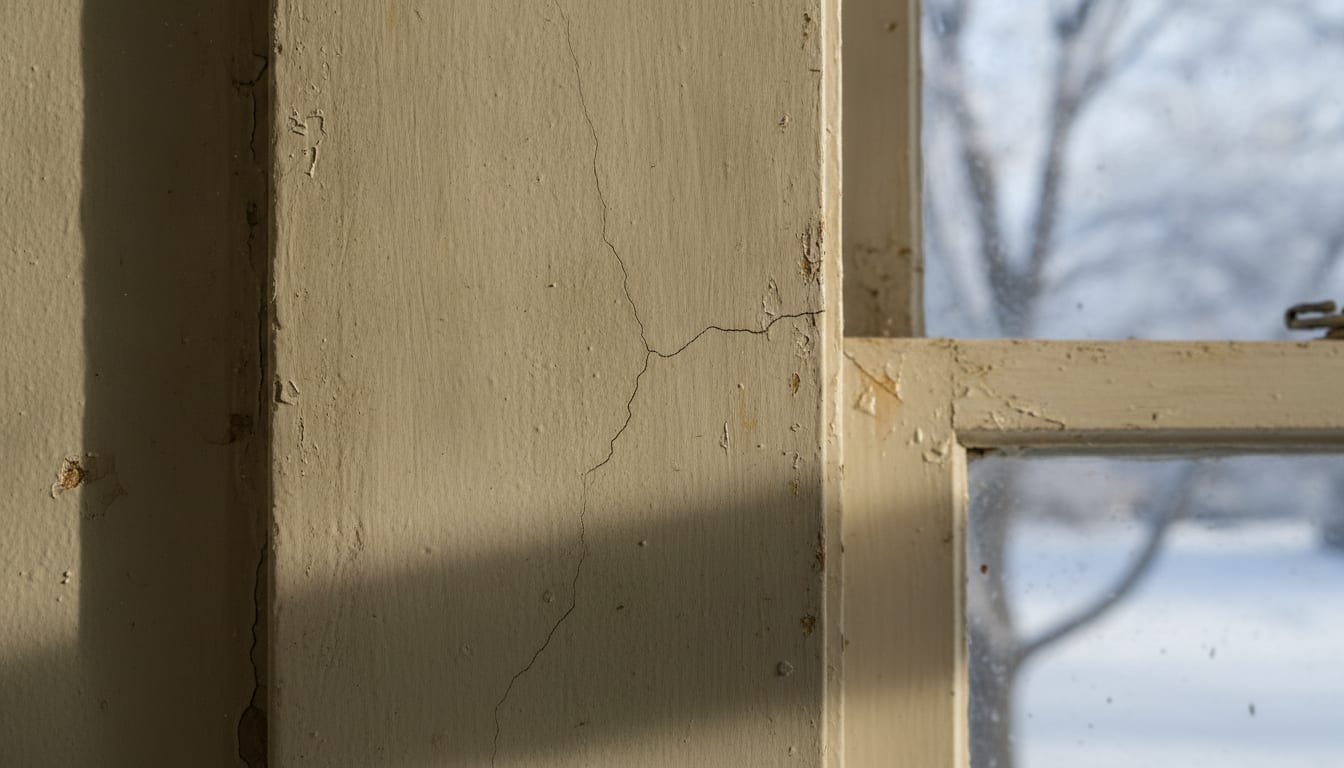
Cracked plaster is common in older Rockford and Machesney Park homes, especially in winter. Here's why it happens and how it gets repaired.
Walk into a lot of early-1900s homes around Rockford's Haight Village or Churchill's Grove, and you'll find plaster walls with a network of fine cracks - some old, some new. Plaster was the standard wall material in this area long before drywall took over, and it's held up remarkably well. But plaster isn't flexible like drywall, and Northern Illinois winters don't do it any favors.
Why Plaster Cracks in Older Homes
Plaster is a rigid material applied over wood or metal lath. It doesn't bend or give the way drywall does, so when a house shifts even slightly, plaster cracks instead of flexing. A few things drive that movement around Winnebago and Boone Counties:
- Freeze-thaw cycles. Cold snaps followed by warmer days make a house's framing expand and contract. Over decades, that repeated movement stresses old plaster.
- Dry winter air. Furnaces running all season pull moisture out of the air, and old plaster and the wood lath behind it can shrink slightly as humidity drops.
- Settling. Homes built 80 or 100 years ago have had plenty of time to settle into their foundations, and plaster shows that movement before much else does.
- Age of the material itself. Original lath-and-plaster can be brittle after a century, especially near ceilings and around window and door openings where stress naturally concentrates.
None of this means the house has a structural problem. Hairline cracks in plaster are normal wear in a historic home. Wider cracks, cracks that keep coming back, or plaster that's soft, bulging, or crumbling are worth a closer look.
Why Winter Is When Plaster Problems Show Up
Plaster damage tends to get noticed in winter because dry heat and cold snaps are exactly when a house moves the most. Cracks that were barely visible in summer often widen once the furnace has been running for a few weeks. It's also a good time to deal with it - plaster and drywall repairs go smoothly in winter since there's no concern about exterior painting conditions, and a room can be patched, primed, and repainted without opening windows or worrying about humidity from outside.
How Plaster Repair Works
Repairing cracked plaster isn't the same as patching drywall. Brandon and his team assess whether the plaster is still solidly bonded to the lath behind it or whether it's separating - that changes the approach. Solid cracks typically get reinforced and filled with a compatible patching compound, feathered out so the repair blends into the surrounding wall. Loose or bulging plaster may need to be removed and replaced in that section before the wall is smooth and paintable again. Either way, the goal is a wall or ceiling that looks original once it's primed and painted - not a visible patch.
This is closely related to the drywall and ceiling repair work customers already single out as a strength - the same careful prep and attention to detail applies whether the wall behind the paint is plaster or drywall.
A Word on Pre-1978 Homes
If your home was built before 1978, there's a real chance of lead-based paint somewhere in the layers, especially on trim, around windows, or in rooms that haven't been repainted in decades. The EPA's RRP rule covers how paid contractors are required to handle surfaces that may contain lead paint during repairs or repainting. Don't scrape or sand old paint yourself to check - if you're not sure what's under there, it's a conversation to have before any plaster or paint work begins.
One Part of a Bigger Picture
Plaster repair is often just one line item on a bigger winter project. Homeowners dealing with cracked plaster frequently also need drywall or ceiling repair in other rooms, trim and carpentry repairs where wood has deteriorated, or a full room repainted once the walls are patched. Landlords turning over a rental between tenants deal with plaster damage often too, alongside drywall repair and a fresh coat before the next lease starts. Whatever the mix, it's the kind of job Brandon can look at as a whole rather than room by room.
Serving Rockford and the Stateline
Affordable Painting Services works on plaster and drywall repair throughout Machesney Park, Rockford, Loves Park, Roscoe, Rockton, South Beloit, and Belvidere, as well as Beloit and Janesville, Wisconsin. The crew uses Sherwin-Williams paint on every job, and customers consistently mention clean work, floors and furniture protected, and pricing that lines up with the estimate given.
Frequently Asked Questions
How do I know if a crack is just cosmetic or a bigger problem?
Hairline cracks that stay the same size are usually just normal movement in an older home. Cracks that are wide, growing, or paired with soft or bulging plaster are worth having looked at, since that can mean the plaster has separated from the lath behind it.
Can you match new plaster repair to the texture of my old walls?
The goal with any plaster repair is a smooth, paintable surface that blends into the surrounding wall once it's primed and painted. Tell Brandon about the texture and condition of your walls and he can go over what to expect when he looks at the job.
Is winter a bad time to do plaster repair?
No - interior plaster and drywall repair works well in winter since it isn't affected by outdoor conditions the way exterior painting is. It's actually a common time for these repairs, since dry winter air and cold snaps are often when cracks become more noticeable.